Anchor Design Review for Embroidery Projects
A First Look at Anchor Design
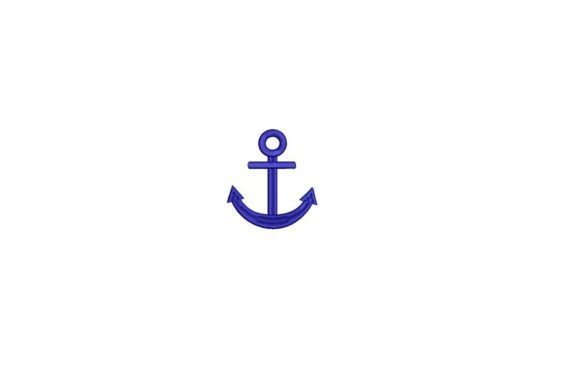
When I first opened the Anchor Design embroidery file, I was struck by its clean lines and nautical charm. It feels like a classic Pirates-themed motif, but with enough detail to stand out on a variety of surfaces. The layout is balanced, with a central anchor that anchors the whole composition—pun intended. The level of detail suggests it’s meant for projects where visual clarity matters, like custom apparel or handmade gifts.
The design has a strong presence without being overwhelming. It’s not too busy, which makes it adaptable to both small and large embroidery areas. I can see this working well as a custom apparel piece, especially on sweatshirts or tote bags where the design needs to be visible from a distance.
How Anchor Design Performs in Real Embroidery Situations
Let’s imagine a scenario: You’re preparing a custom embroidered tote bag for a boutique shop. The customer wants something that feels premium and unique. Anchor Design could be the perfect fit. Its structure allows it to sit nicely on a medium-sized fabric without looking cramped. The anchor shape is iconic and instantly recognizable, making it a great choice for personalized gifts or small shop products.
On a sweatshirt or t-shirt, the design maintains its integrity even when viewed from different angles. The stitch density is just right—not too heavy that it puckers the fabric, nor too sparse that it loses definition. This makes it ideal for handmade products that need to look professional while maintaining comfort.
For holiday embroidery, this design might be paired with other nautical-themed elements to create a cohesive look. It could also serve as a standalone embroidered patch for caps or aprons. On a baby item, like a onesie or blanket, the softness of the design works well with the innocence of the theme.
Where to Use Anchor Design with Caution
While Anchor Design is versatile, there are some scenarios where extra care is needed. For instance, using it on small hoop sizes may cause parts of the design to get cut off or appear distorted. Testing it on scrap fabric first is always a good idea.
If you're working with textured fabrics or thin fabric, adding a stabilizer is crucial to prevent stretching or distortion. The same goes for stretchy fabric—without proper support, the anchor might lose its shape after washing.
Using this design on dark fabric backgrounds will require careful consideration of thread colors. A high-contrast color palette will ensure the design remains visible and vibrant. Also, if you're embroidering on curved surfaces like caps or hats, the design may need minor adjustments to conform to the shape.
Visual Appeal and Project Value
Anchor Design adds a touch of character to any project. Whether it's a handmade product for an Etsy listing or a commercial embroidery project for a boutique, the design contributes to the overall aesthetic. Its simplicity ensures that it doesn’t overshadow other design elements, making it a great addition to printable mockups or digital product previews.
From a business perspective, using this design can enhance customer trust and brand consistency. It gives your products a polished look, which is essential for craft businesses and small shop owners who want to stand out in competitive markets like Etsy or craft fairs.
As a personalized gift, the design brings a sense of individuality and thoughtfulness. It’s also a great way to add giftability to items like pillow covers, kitchen towels, or holiday decorations.
Practical Embroidery Designer Notes
Before using Anchor Design in a real project, I recommend testing it on scrap fabric to see how it stitches up. Check the thread color contrast against your chosen fabric background. If you're planning to use it for commercial embroidery, make sure to review the stitch density and confirm that the hoop size matches your machine’s capabilities.
Inspecting small details like the anchor’s chain or rope elements is important to ensure they stitch cleanly. Testing it in black and white mockups can help you understand how it’ll look on light and dark fabrics. Using the right stabilizer will prevent shifting and maintain the quality of the finished product.
Also, check whether the design works for both personal and commercial projects. If you plan to sell finished items or digital assets, make sure you have the correct license terms before doing so.
Overall, Anchor Design offers a solid foundation for creative embroidery work. With the right preparation and attention to detail, it can elevate your embroidery project and bring your vision to life with confidence and clarity.